

 Lucas Hathaway
AI Risk Assessment: A Roadmap for Financial Institutions
 Lucas Hathaway : 11 Oct 2024
AI Risk Assessment for Financial Institutions: Learn how to identify, assess, and mitigate AI-related risks such as data privacy and information...

Regulators and boards increasingly expect organizations to quantify cyber risk, turning abstract security concerns into defensible financial data as breach costs continue to rise. By combining AI-driven automation, actionable security metrics, and financially grounded risk quantification, organizations can accelerate response, strengthen compliance, and make informed decisions about cyber investment.
Key takeaways from this article:
Check out the Cyber Risk Management Model that examiners reference below


Zero-day ransomware, third-party breaches, and regulatory crackdowns have turned cyber risk assessment from an annual exercise into a continuous program. The platforms below help quantify risk, automate assessments, align to frameworks (NIST, ISO 27001, PCI, HIPAA, GDPR), and produce board- and auditor-ready reports.
Below we spotlight the leading cyber risk assessment platforms setting the bar across enterprise, government, healthcare, and financial sectors—each built to quantify exposure, streamline compliance, and prioritize remediation.
Here are the leading cybersecurity incident response management:
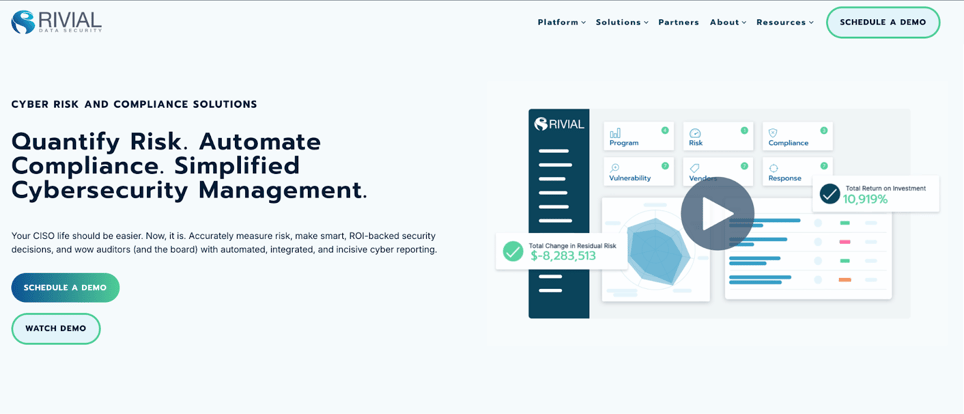
Rivial delivers quantified, Board-ready insights that transform risk assessments from time-consuming reports into fast, actionable intelligence, showing exactly where you’re exposed, the financial impact, and how to prioritize remediation. With continuous monitoring and clear ROI metrics, you can prove the value of your security strategy while staying ahead of evolving threats.
Key Features

FAIR-based, AI-driven cyber risk quantification with first- and third-party risk visibility.
Recognized as a leader by independent research for scalable, board-ready CRQ.
Key Features
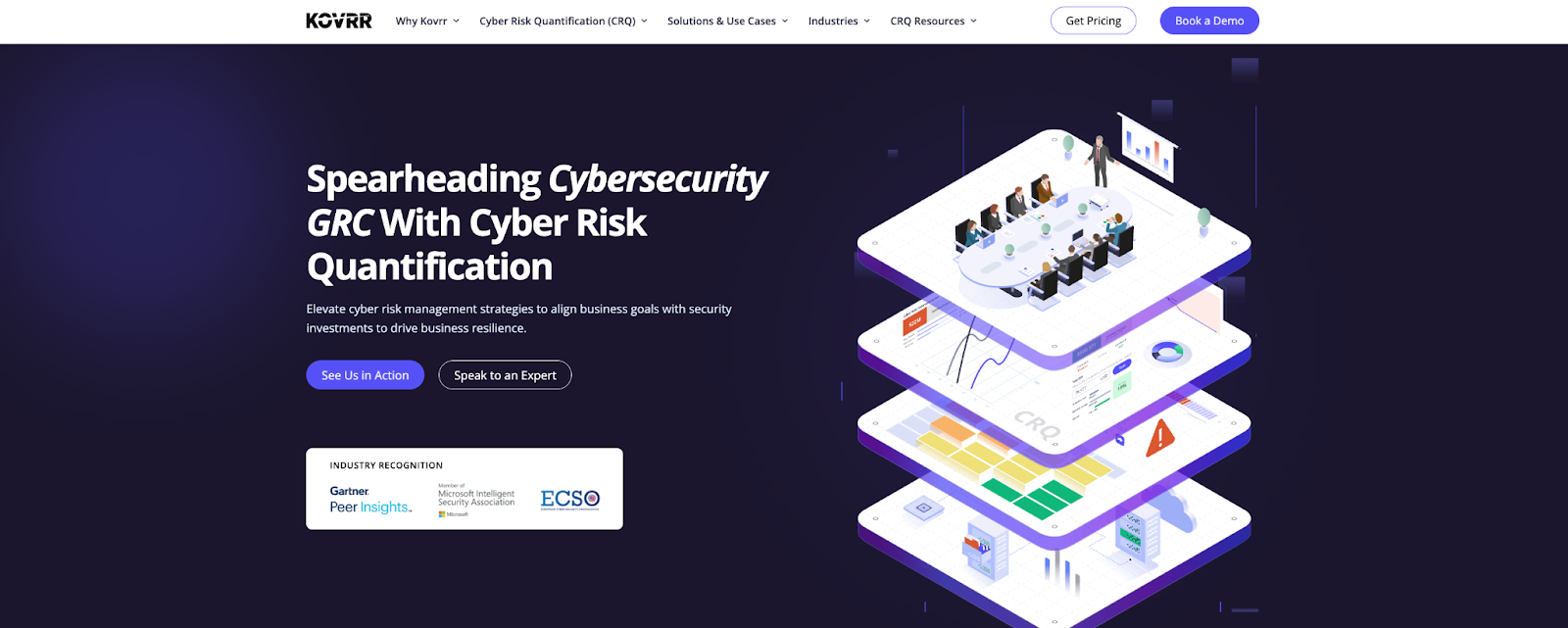
Delivers high/average/low loss distributions, scenario modeling, and benchmarking.
Helps translate control posture into dollar-impact estimates executives can act on.
Key Features
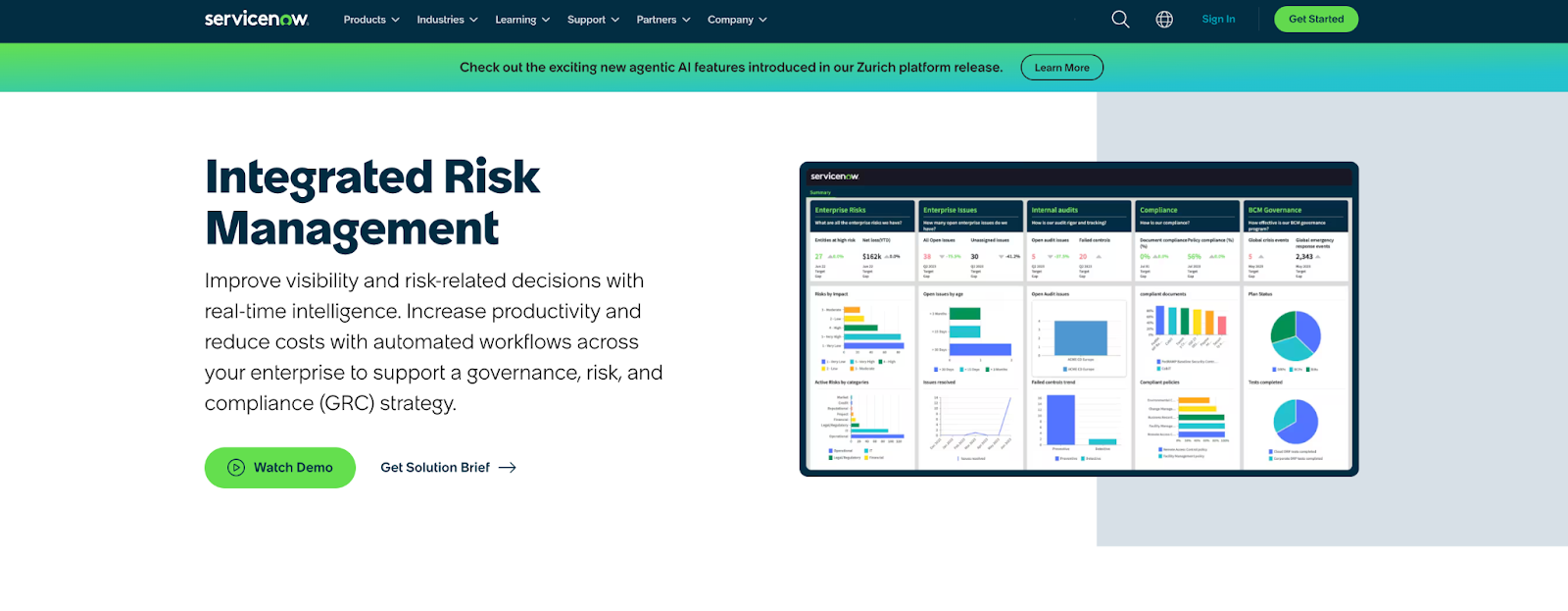
Connects risk assessment, issues, audits, and workflow automation across the enterprise on the Now Platform.
Key Features
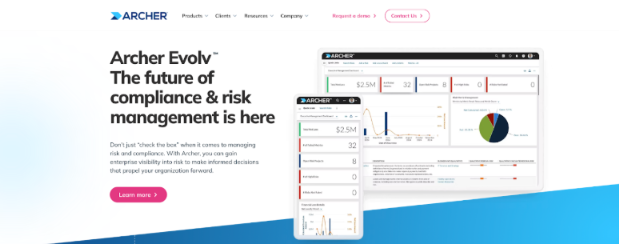
Long-standing integrated risk management platform with built-in risk quantification and maturity assessments. Offers framework packs (FFIEC, NIST) and robust reporting for regulated enterprises.
Key Features
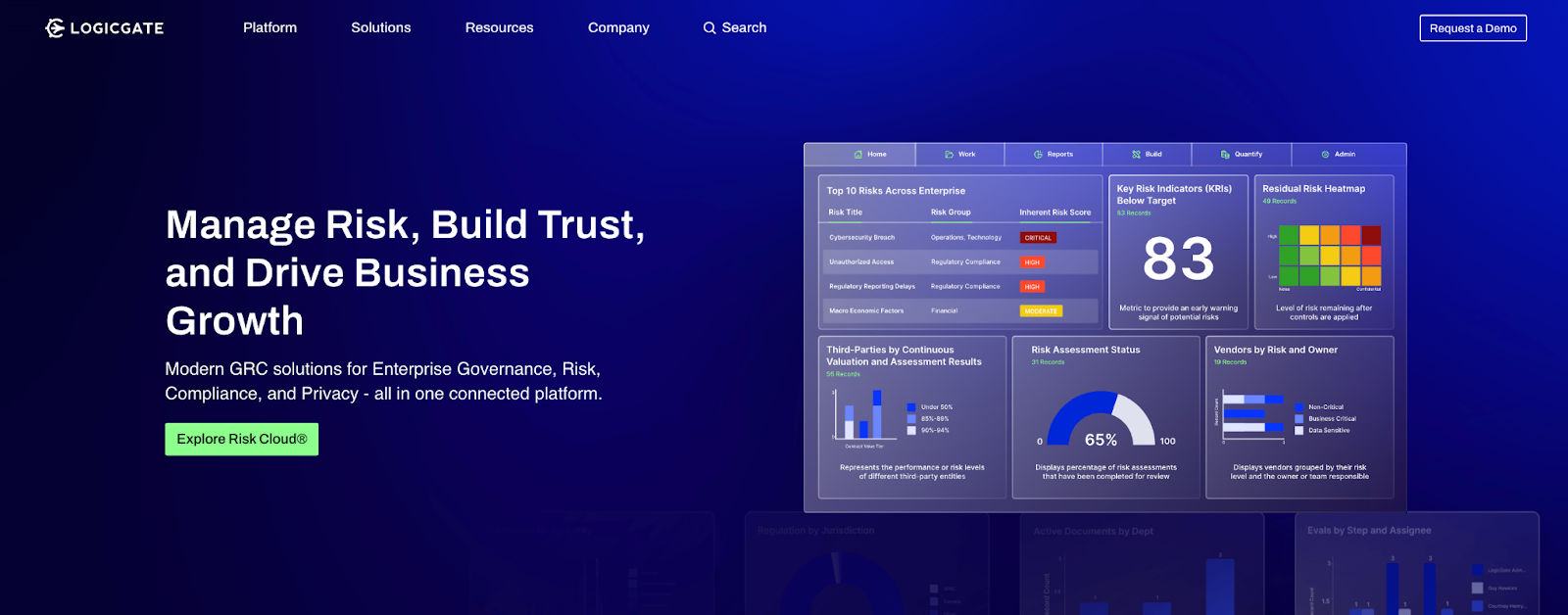
Low/no-code workflows to stand up assessments, vendor risk, and control testing quickly.
Accelerate rollout with templates, automation, and real-time dashboards.
Key Features
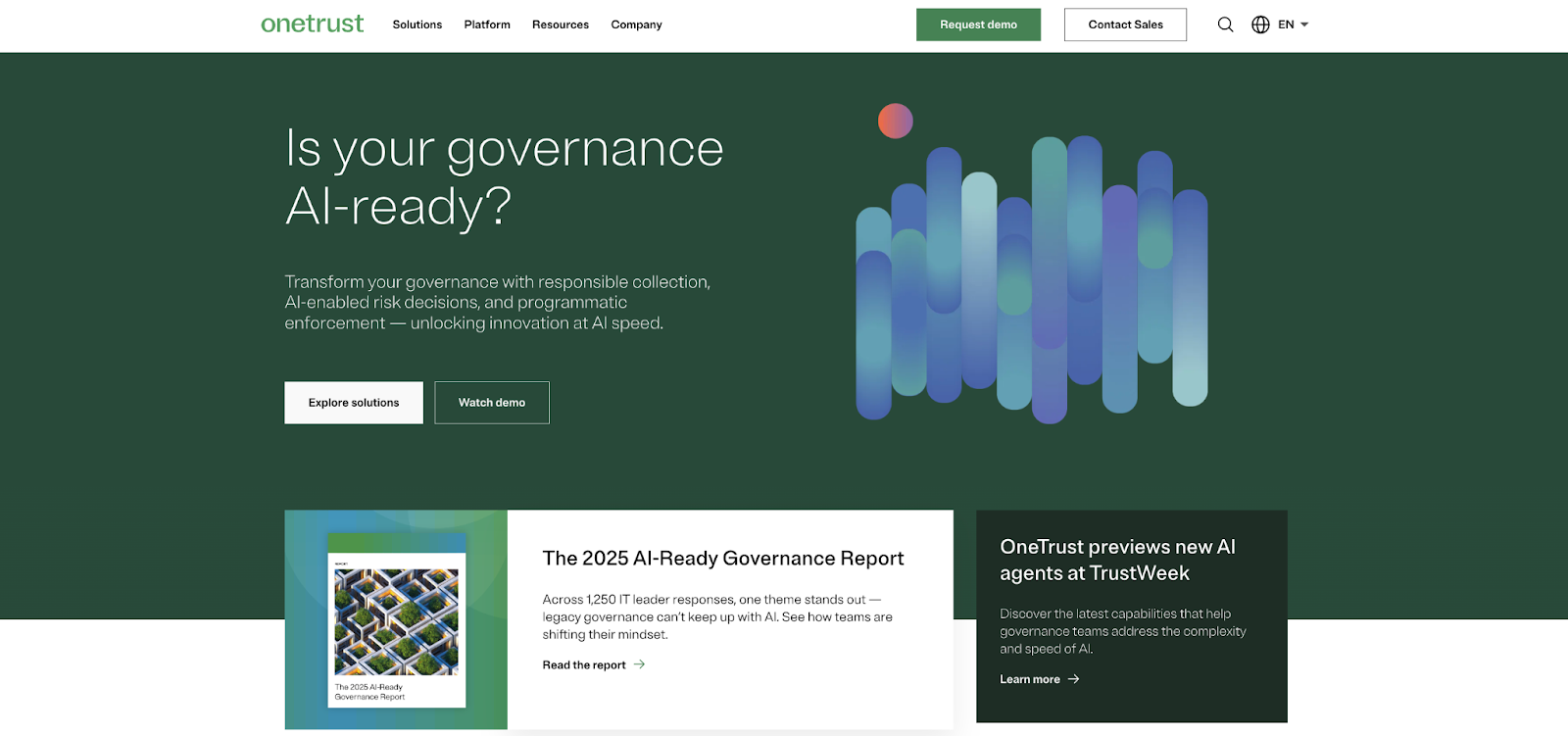
Strong GDPR/CCPA roots with expanded GRC and ESG capabilities. Robust third-party risk workflows for assessments, monitoring, and remediation
Key Features
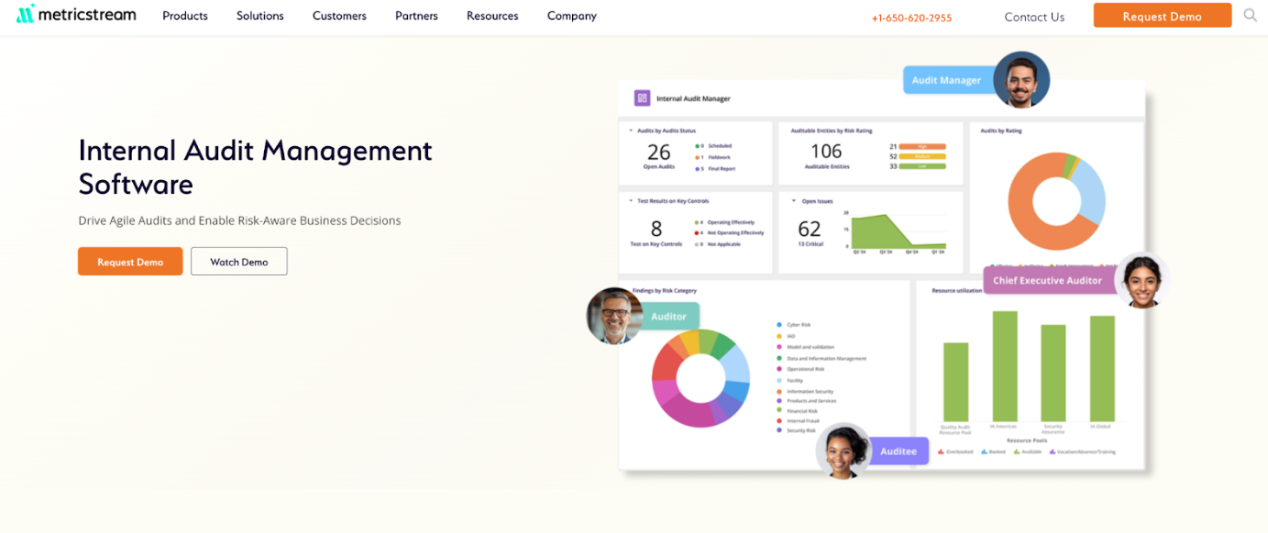
Deep audit, risk, and compliance capabilities built for enterprise scale. Extensive integrations unify data, streamline assurance, and speed reporting.
Key Features:
For organizations without a 24/7 SOC, Arctic Wolf combines human-led IR support with platform-based visibility, perfect for mid-sized companies.
Key Features
Combines continuous external monitoring with questionnaires and guided remediation. Unifies security ratings, vendor assessments, and fix tracking to reduce third-party risk.
Key Features
By weighing these factors up front, you’ll choose cyber risk assessment software that keeps pace with today’s threats, meets tomorrow’s regulatory deadlines, and measurably drives down MTTR.
Ready to replace ad-hoc audits with a continuous, defensible cyber risk program? Rivial Security unifies assessment, automation, and reporting—backed by battle-tested experts—so you can
Don’t wait for the next audit or breach. Schedule a demo of Rivial today and see how fast you can stand up a measurable, defensible cyber risk program.
Check out the Cyber Risk Management Model that examiners reference below
 Lucas Hathaway : 11 Oct 2024
AI Risk Assessment for Financial Institutions: Learn how to identify, assess, and mitigate AI-related risks such as data privacy and information...
 Lucas Hathaway : 16 Jul 2024
Learn how to exceed NCUA and FDIC examiner expectations with strategies in risk assessments, board reporting, compliance testing, and AI security in...

 Randy Lindberg : 15 Jul 2021
Cybersecurity risk assessments help FinTechs determine the best methods for the protecting their users’ PII. Here are several risks FinTechs face.